
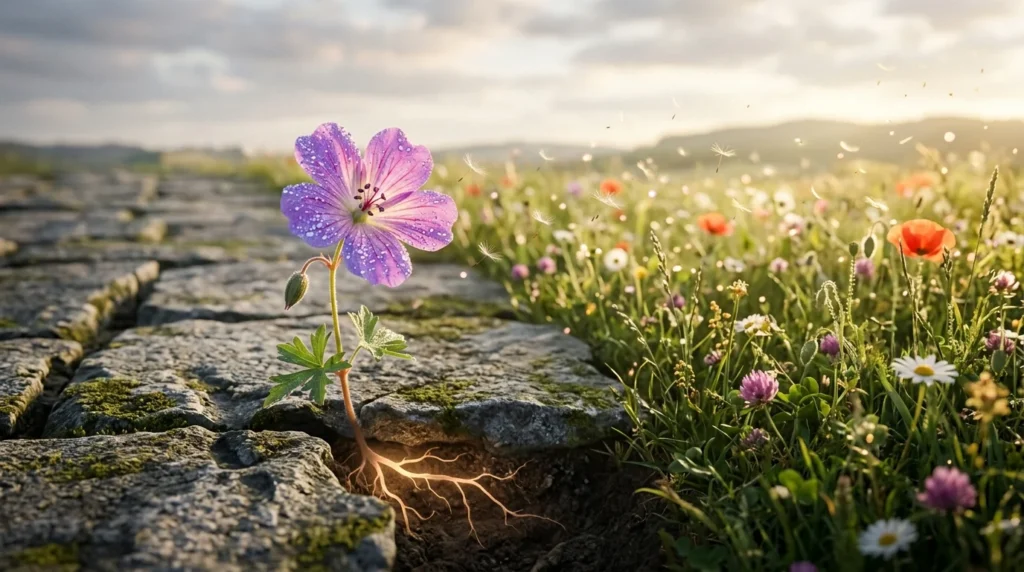
Have you ever sat down to write a poem, story, caption, or school assignment and felt that simply saying “flower” wasn’t enough?
Many writers search for a metaphor for flower because they want their words to feel more vivid, emotional, and memorable. A flower can symbolize beauty, growth, hope, love, fragility, new beginnings, and even resilience. But finding the right metaphor isn’t always easy.
This is where figurative language becomes powerful. Instead of describing a flower directly, writers compare it to something else that captures its deeper meaning. That comparison creates stronger imagery and helps readers feel an emotion rather than simply read a description.
Whether you’re writing poetry, creating social media captions, improving descriptive writing, or working on a classroom assignment, flower metaphors can bring your ideas to life.
Let’s explore some of the most beautiful, creative, and meaningful flower metaphors you can use.
What Is a Metaphor for Flower?
A metaphor for flower is a figurative expression that compares a flower to something else without using the words “like” or “as” to highlight beauty, growth, emotion, or symbolism.
Think about it this way:
Instead of saying:
“The flower was beautiful.”
You could say:
“The flower was nature’s smile.”
That tiny change creates a stronger image.
Writers use flower metaphors to:
- Create emotional imagery
- Add symbolism
- Improve descriptive writing
- Strengthen poetry
- Make stories more memorable
- Express feelings creatively
Simple Example
Flower = A tiny sunrise
Meaning: It brings brightness and hope.
Creative Example
Flower = A whispered promise from spring
Meaning: It symbolizes new beginnings.
Quick List of Metaphor for Flower Examples
Here are some easy copy-and-paste examples:
- Flower is nature’s smile — beauty and happiness
- Flower is a painted star — delicate beauty
- Flower is a pocket of sunshine — joy
- Flower is a silent song — gentle expression
- Flower is Earth’s jewelry — decoration
- Flower is spring’s messenger — renewal
- Flower is a living rainbow — colorful beauty
- Flower is a tiny miracle — wonder
- Flower is a fragile treasure — preciousness
- Flower is a blooming dream — hope
- Flower is a candle of color — brightness
- Flower is a heartbeat of spring — life
- Flower is a soft applause from nature — celebration
- Flower is a brushstroke on Earth’s canvas — artistry
- Flower is a kiss from the garden — affection
- Flower is a crown of sunlight — warmth
- Flower is a whisper of beauty — elegance
- Flower is a jewel of the meadow — value
- Flower is a lantern of life — guidance
- Flower is a page from nature’s diary — storytelling
- Flower is a tiny dancer — grace
- Flower is a spark of color — energy
- Flower is a drop of happiness — joy
- Flower is a living poem — artistic beauty
- Flower is a feather of spring — lightness
Beautiful Metaphors for Flower
These metaphors create vivid emotional imagery.
Flower Is Nature’s Smile
A flower often brightens a landscape just as a smile brightens a face.
Flower Is a Tiny Miracle
Its growth from a small seed can feel magical.
Flower Is a Jewel of the Earth
Flowers decorate the world much like gems decorate a crown.
Flower Is a Pocket of Sunshine
Bright blossoms bring warmth and positivity.
Flower Is a Silent Celebration
Many flowers bloom without noise, yet their beauty feels festive.
Flower Is a Living Painting
Each petal appears carefully designed by nature.
Flower Is a Gentle Flame
Its colors can glow like fire while remaining soft and delicate.
Flower Is a Gift Wrapped by Nature
Flowers often feel like presents from the natural world.
Poetic and Deep Flower Ideas
If you’re writing poetry or literary pieces, these metaphors can add deeper symbolism.
Flower Is a Fragile Prayer
Represents hope, faith, and vulnerability.
Flower Is Time Wearing Color
Reminds us that beauty is temporary.
Flower Is the Soul of Spring
Represents rebirth and renewal.
Flower Is a Whisper from Heaven
Suggests peace and spiritual beauty.
Flower Is a Memory in Bloom
Connects blossoms to cherished moments.
Flower Is a Heart Open to the Sun
Represents trust, love, and growth.
Flower Is a Dream Rooted in Earth
Combines imagination with reality.
Flower Is a Symphony of Petals
Shows harmony and elegance.
Flower Is a Letter Written by Nature
Suggests communication through beauty.
Flower Is a Lantern for Lost Hearts
Symbolizes hope during difficult times.
Metaphor for Flower in Creative Writing
Most writers use flower metaphors because they instantly create imagery.
In Storytelling
Example:
“The rose in her hand was a tiny flame against the darkness.”
Readers immediately visualize color and emotion.
In Poetry
Example:
“You were a flower of dawn, unfolding beneath golden skies.”
The metaphor adds beauty and poetic language.
In Descriptive Writing
Example:
“The tulip stood as a painted torch among the green grass.”
The image becomes more memorable.
In School Assignments
Example:
“The flower was nature’s smile, brightening the garden.”
Simple and effective.
In Social Media Captions
Example:
“Blooming quietly, a little pocket of sunshine.”
Short and meaningful.
Metaphor vs Simile
| Feature | Metaphor | Simile |
|---|---|---|
| Meaning | Direct comparison | Comparison using like or as |
| Grammar | Says something is something else | Says something is like something else |
| Emotional Impact | Stronger and more vivid | Softer and more explanatory |
| Flower Example | The flower is a jewel. | The flower is like a jewel. |
| Writing Style | Bold and poetic | Clear and beginner-friendly |
| Common Mistake | Taking it literally | Forgetting like or as |
Why People Confuse Metaphors and Similes
This is where many beginners get confused.
Both metaphors and similes compare things.
The difference is simple:
Metaphor
“The flower is a star.”
Simile
“The flower is like a star.”
A metaphor makes a direct statement.
A simile uses comparison words such as “like” or “as.”
Many students learn both at the same time, which makes them easy to mix up.
Real-Life Conversation Examples
School Assignment
Student: “I need a metaphor for a flower.”
Teacher: “Try calling it nature’s smile.”
🎯 Lesson: Metaphors create stronger images than simple descriptions.
Poetry Writing
Writer: “My poem feels plain.”
Friend: “Describe the flower as a whispered promise.”
🎯 Lesson: Symbolic language adds emotion.
Social Media Caption
Friend: “What caption should I use?”
Friend 2: “A pocket of sunshine blooming quietly.”
🎯 Lesson: Metaphors make captions memorable.
Storytelling
Author: “The garden scene lacks feeling.”
Editor: “Make each flower a tiny lantern of hope.”
🎯 Lesson: Metaphors build atmosphere.
Classroom Discussion
Student: “Why use metaphors?”
Teacher: “Because readers remember images more than facts.”
🎯 Lesson: Imagery creates stronger connections.
How to Create Your Own Flower Metaphor
Creating metaphors becomes easier with practice.
Think About Feelings
Ask yourself:
What emotion does the flower create?
- Joy
- Peace
- Love
- Hope
- Wonder
Focus on Appearance
Notice:
- Color
- Shape
- Texture
- Movement
Use Symbolism
Flowers often symbolize:
- Growth
- Beauty
- New beginnings
- Fragility
- Life
Combine the Ideas
Example:
Flower + Hope = Lantern of hope
Flower + Beauty = Nature’s jewel
Flower + Growth = Earth’s dream unfolding
Visualize a Scene
Picture the flower in a setting.
What object does it remind you of?
That connection often becomes your metaphor.
Common Mistakes Beginners Make
Using Clichés Too Often
Mistake:
“The flower is beauty.”
Why it happens:
It’s the first idea that comes to mind.
Better:
“The flower is a painted sunrise.”
Making Comparisons Too Random
Mistake:
“The flower is a calculator.”
Why it happens:
No meaningful connection exists.
Better:
“The flower is a jewel of spring.”
Explaining Too Much
Mistake:
Long descriptions after every metaphor.
Why it happens:
Writers fear readers won’t understand.
Better:
Trust the imagery.
Mixing Metaphors
Mistake:
“The flower was a star sailing through a forest of music.”
Why it happens:
Too many images compete.
Better:
Keep one strong image.
Related Figurative Language Terms
Simile
A comparison using “like” or “as.”
Example:
“The flower shines like a star.”
Imagery
Language that helps readers visualize something.
Example:
“Golden petals glowed beneath the morning light.”
Personification
Giving human qualities to non-human things.
Example:
“The flower smiled at the sun.”
Symbolism
Using an object to represent a deeper idea.
Example:
A flower symbolizing hope.
Hyperbole
An intentional exaggeration.
Example:
“The flower was the most beautiful thing in the universe.”
Frequently Asked Questions
What is the best metaphor for flower?
One of the most popular flower metaphors is “nature’s smile” because it represents beauty, warmth, and happiness.
Is flower a metaphor for beauty?
Yes. Flowers often symbolize beauty, grace, and elegance in literature and everyday language.
What does a flower symbolize in poetry?
Flowers commonly symbolize love, hope, growth, life, renewal, and the passage of time.
What is a poetic metaphor for flower?
A poetic example is “a whispered promise from spring.”
Can flowers symbolize emotions?
Yes. Different flowers often represent emotions such as love, joy, sadness, remembrance, and hope.
What is a simple flower metaphor for students?
“The flower is a tiny sun.” It is easy to understand and visualize.
How do writers use flower metaphors?
Writers use them to create imagery, symbolism, emotional depth, and memorable descriptions.
Are flower metaphors common in literature?
Yes. Flowers appear frequently in poetry, novels, songs, and other forms of creative writing.
Flower Symbolism in Literature
Throughout literary history, flowers have been powerful symbols.
Poets often use roses to represent love, lilies to suggest purity, and wildflowers to symbolize freedom. A flower’s short life also makes it a common symbol for the beauty and fragility of human experiences.
This combination of beauty and impermanence is why flower metaphors remain popular across cultures and generations.
Conclusion
A great metaphor for flower does much more than describe petals and colors. It transforms a simple bloom into a symbol of hope, beauty, love, resilience, or new beginnings.
Whether you choose nature’s smile, a tiny miracle, a whispered promise from spring, or create your own unique comparison, flower metaphors help readers see ordinary things in extraordinary ways.
The best part is that there is no single perfect metaphor. Every flower can inspire a different image, emotion, or story. Keep observing the world around you, trust your imagination, and experiment with new comparisons. The more you practice, the more naturally beautiful metaphors will bloom in your writing.