
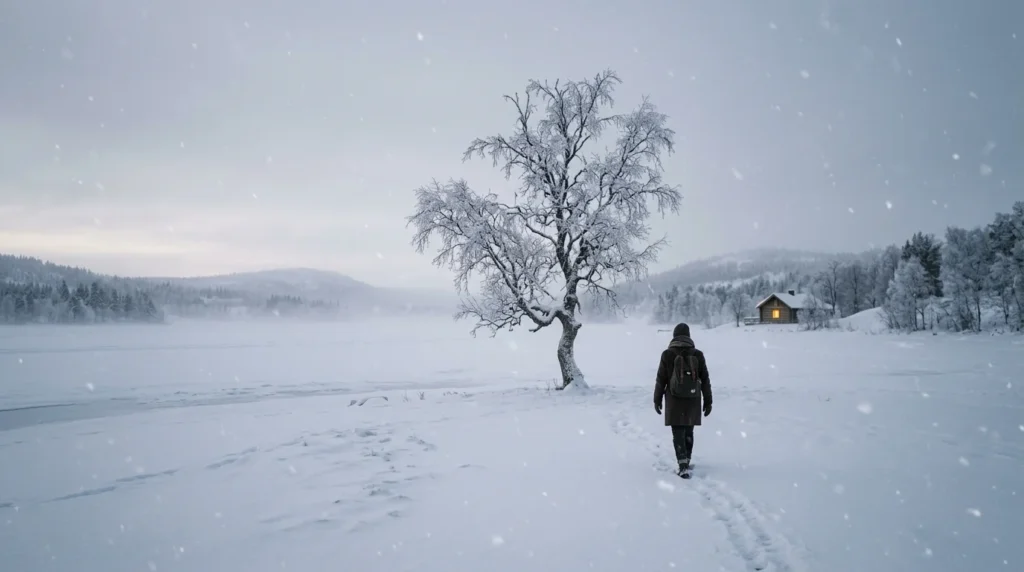
Have you ever stared out a frosty window and struggled to describe what winter feels like?
Many writers, students, poets, and storytellers search for a metaphor for winter because simple descriptions often fail to capture its deeper mood. Winter is more than snow and cold air. It can symbolize silence, rest, loneliness, wisdom, survival, beauty, or even hope waiting beneath the surface.
This is where metaphors become powerful. Instead of saying, “It was a cold winter day,” you can create an image that readers feel. You might call winter a sleeping giant, a silver blanket, or nature’s quiet pause button.
A strong metaphor transforms ordinary writing into something memorable. It adds emotion, symbolism, and vivid imagery that stay in a reader’s mind long after the sentence ends.
Whether you’re writing poetry, a school essay, a social media caption, or a fantasy story, this guide will help you find the perfect metaphor for winter and learn how to create your own.
Let’s step into the snowy world of metaphor and imagery.
What Is a Metaphor for Winter?
A metaphor for winter is a figurative comparison that describes winter as something else to express its mood, meaning, or symbolism without using “like” or “as.”
Think about it this way:
Instead of saying:
Winter is cold.
You might say:
Winter is nature’s sleeping season.
That tiny change creates a stronger image.
Writers use winter metaphors to:
- Create vivid imagery
- Express emotions
- Add symbolism
- Improve descriptive writing
- Make poetry more memorable
- Build atmosphere in stories
Simple Examples
- Winter is a silver blanket.
- Winter is the world’s deep breath.
- Winter is a sleeping giant.
- Winter is nature’s pause button.
- Winter is a crystal kingdom.
Each metaphor paints a different emotional picture.
Quick List of Metaphor for Winter Examples
Here are some easy copy-and-paste examples.
- Winter is a silver blanket. — Covers the world peacefully.
- Winter is a sleeping giant. — Quiet but powerful.
- Winter is nature’s pause button. — A season of rest.
- Winter is a frozen painting. — Beautiful and still.
- Winter is a crystal palace. — Sparkling and magical.
- Winter is a silent symphony. — Quiet yet meaningful.
- Winter is an old storyteller. — Wise and reflective.
- Winter is a white curtain. — Hides the landscape.
- Winter is a sleeping kingdom. — Everything rests.
- Winter is a glass garden. — Delicate and beautiful.
- Winter is the earth’s deep breath. — A moment of calm.
- Winter is a pearl-covered dream. — Soft and magical.
- Winter is a patient teacher. — Teaches endurance.
- Winter is a frozen ocean of time. — Slow and endless.
- Winter is a candle burning low. — Quiet and gentle.
- Winter is a whisper from nature. — Soft and subtle.
- Winter is a white cathedral. — Grand and peaceful.
- Winter is a blanket of silence. — Calm and still.
- Winter is a sleeping forest. — Nature at rest.
- Winter is a crystal crown. — Elegant and bright.
- Winter is a forgotten song. — Distant and nostalgic.
- Winter is a kingdom of glass. — Fragile beauty.
- Winter is a lonely road. — Isolation and reflection.
- Winter is a frozen clock. — Time feels slower.
- Winter is the world’s meditation. — Peace and reflection.
Beautiful Metaphors for Winter
Beautiful winter metaphors often focus on peace, elegance, and wonder.
Winter Is a Silver Blanket
Snow gently covers fields, rooftops, and trees.
The image feels comforting and protective.
Winter Is a Crystal Kingdom
Everything sparkles under sunlight.
The landscape looks magical and royal.
Winter Is the Earth’s Deep Breath
Nature slows down.
The world seems to pause and recharge.
Winter Is a White Cathedral
Snow-covered forests can feel sacred and peaceful.
This metaphor creates awe and reverence.
Winter Is a Pearl-Stitched Quilt
Fresh snow resembles thousands of tiny pearls sewn together.
The imagery feels delicate and luxurious.
Poetic and Deep Winter Ideas
Many poets use winter as a symbol of life’s quieter moments.
Winter Is a Book of Silence
Each snowy morning feels like a blank page waiting to be read.
Winter Is an Old Monk
Quiet, thoughtful, and detached from noise.
Winter Is a Locked Garden
Beauty still exists, but it waits beneath the surface.
Winter Is Time Holding Its Breath
The world feels suspended between endings and beginnings.
Winter Is a Lantern in the Dark
Even cold seasons contain hope.
Winter Is a Sleeping Memory
It awakens feelings of nostalgia and reflection.
Winter Is a White Dream
Reality and imagination blend together.
Metaphor for Winter in Creative Writing
Writers use winter metaphors to create atmosphere and emotion.
In Stories
Winter can symbolize struggle, isolation, or transformation.
Example:
“Winter wrapped the village in a blanket of silence.”
In Poetry
Poets often connect winter to emotions.
Example:
“Winter was an old friend who arrived carrying quiet wisdom.”
In School Assignments
Metaphors make essays more engaging.
Example:
“Winter is nature’s resting season before spring awakens the earth.”
In Descriptive Writing
Metaphors help readers visualize scenes.
Example:
“The frozen lake was a sheet of polished glass stretching toward the horizon.”
In Fantasy Writing
Winter creates magical imagery.
Example:
“Winter ruled the kingdom with a crown of diamonds and a cloak of snow.”
Metaphor vs Simile
| Feature | Metaphor | Simile |
|---|---|---|
| Meaning | Direct comparison | Comparison using like or as |
| Grammar | Says one thing is another | Says one thing is like another |
| Emotional Impact | Stronger and more vivid | Softer and more obvious |
| Example | Winter is a silver blanket | Winter is like a silver blanket |
| Beginner Mistake | Forgetting it’s a direct comparison | Using like but calling it a metaphor |
Quick Trick
If you use like or as, it’s usually a simile.
If you directly compare two things, it’s a metaphor.
Why People Confuse Metaphors and Similes
This is where many beginners get confused.
Both literary devices compare things.
For example:
Metaphor:
Winter is a sleeping giant.
Simile:
Winter is like a sleeping giant.
The idea stays the same.
The sentence structure changes.
Many students focus on the image and forget to notice whether the comparison is direct or uses “like” or “as.”
That’s why metaphors and similes often get mixed up in classrooms.
Real-Life Conversation Examples
School Assignment
Student: I need a metaphor for winter.
Teacher: Try “Winter is nature’s pause button.”
Student: That sounds more creative than “winter is cold.”
🎯 Lesson: Metaphors create stronger imagery.
Poetry Writing
Writer: My poem feels boring.
Friend: Describe winter as a sleeping kingdom.
Writer: That gives the scene much more emotion.
🎯 Lesson: Metaphors make poems memorable.
Social Media Caption
Friend: What should I caption this snow photo?
Friend 2: “Winter is a crystal dream.”
🎯 Lesson: Metaphors add beauty to short captions.
Storytelling
Student: How do I make my story more vivid?
Teacher: Let winter become a character.
Student: Like an old storyteller?
Teacher: Exactly.
🎯 Lesson: Personified metaphors add depth.
How to Create Your Own Metaphor for Winter
Creating metaphors is easier than most people think.
1. Think About Winter’s Feelings
Ask yourself:
- Is it peaceful?
- Lonely?
- Beautiful?
- Magical?
- Harsh?
Choose one emotion.
2. Find Something With the Same Feeling
Examples:
- Silence → Library
- Beauty → Crown
- Rest → Bed
- Wisdom → Elder
- Magic → Kingdom
3. Connect Them
Examples:
- Winter is a sleeping library.
- Winter is a diamond crown.
- Winter is an old sage.
- Winter is a frozen fairy tale.
4. Add Symbolism
Think beyond weather.
Winter can symbolize:
- Reflection
- Patience
- Endurance
- Change
- Hope
This creates deeper poetic language.
Common Mistakes Beginners Make
Using Similes Instead of Metaphors
❌ Winter is like a blanket.
✅ Winter is a blanket.
Choosing Random Comparisons
❌ Winter is a toaster.
✅ Winter is a sleeping giant.
Why?
The image should make emotional sense.
Overcomplicating the Image
❌ Winter is an intergalactic crystalline dimension of atmospheric stillness.
✅ Winter is a crystal kingdom.
Simple often works better.
Mixing Multiple Metaphors
❌ Winter is a blanket, dragon, clock, and river.
✅ Winter is a sleeping giant.
One clear image is stronger.
Related Figurative Language Terms
Simile
A comparison using “like” or “as.”
Example: Winter is like a white blanket.
Imagery
Language that helps readers see, hear, or feel something.
Example: Snow glittered beneath the pale moonlight.
Personification
Giving human qualities to nonhuman things.
Example: Winter knocked softly on the window.
Symbolism
Using something to represent a deeper meaning.
Example: Winter symbolizes rest or hardship.
Hyperbole
An exaggerated statement.
Example: It was so cold the air turned to stone.
Winter Symbolism in Literature
Throughout literature, winter often represents more than weather.
Writers frequently use winter to symbolize:
- Reflection
- Aging
- Isolation
- Endings
- Patience
- Transformation
- Renewal before spring
This symbolism appears because winter naturally feels like a period of waiting and preparation.
Many famous poems and novels use winter as a powerful symbol of life’s quieter chapters before growth returns.
Frequently Asked Questions
What is the best metaphor for winter?
One popular metaphor is “Winter is a silver blanket” because it captures both snow and peacefulness.
What does winter symbolize in literature?
Winter often symbolizes reflection, endings, solitude, endurance, and preparation for new beginnings.
Is “winter is a blanket” a metaphor?
Yes. It directly compares winter to a blanket without using “like” or “as.”
What is a poetic metaphor for winter?
“Winter is time holding its breath” is a poetic and emotional metaphor.
What is a metaphor for a snowy day?
A snowy day can be described as a pearl-covered dream or a crystal painting.
How do students write winter metaphors?
Students can connect winter’s feelings—such as silence, beauty, or coldness—to another object with similar qualities.
Why do writers use winter metaphors?
They create imagery, emotion, symbolism, and more memorable writing.
Can winter be a symbol of hope?
Yes. Winter often represents waiting before growth and renewal arrive in spring.
Conclusion
A great metaphor for winter does much more than describe cold weather. It transforms a season into an image readers can see, feel, and remember. Whether you imagine winter as a silver blanket, a sleeping giant, a crystal kingdom, or the earth’s deep breath, each metaphor reveals a different side of the season.
The simple trick is to focus on emotion first. Ask yourself what winter feels like, then connect that feeling to something visual and meaningful. That’s how memorable metaphors are born.
Keep experimenting with imagery, symbolism, and poetic expression. The more you practice, the easier it becomes to turn ordinary descriptions into vivid scenes that bring your writing to life.
Sometimes the most powerful metaphor begins with a single snowy moment and a little imagination. ❄️